Mike Rossman introduced visiting Rotarians and guests.
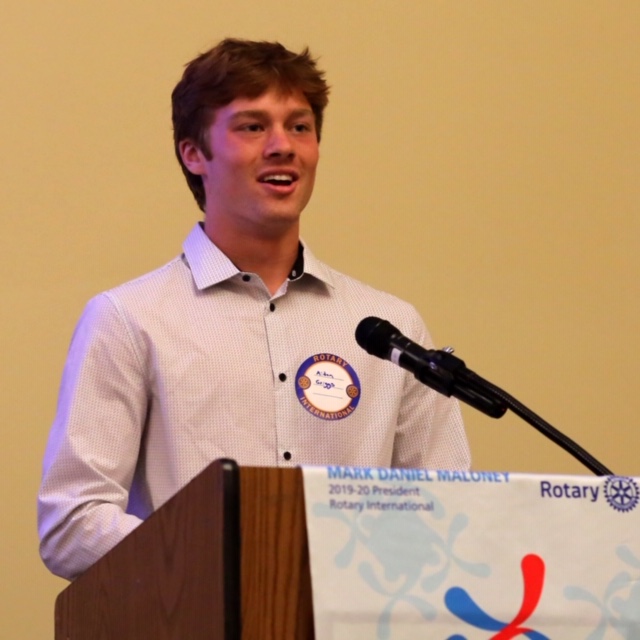
Autumn Soltysiak introduced the outstanding students of the week: Aiden Griggs and Katherine Kiessling both from TC West.
Chris DeGood wants a few good men and women for the Jim Van Workbee this FRIDAY, OCT. 4. You should have received a separate email with all the details.
Steve Wade announced the results of a survey of club members regarding club speakers/programming. The oversimplified result? People generally like what's been going on. Tony Anderson's heartfelt marathon talk was a crowd-pleaser, Wade said. But was that just recency bias, he pondered out loud?
Susan Kraus said to save the date for the holiday party: Tuesday, Dec. 10 at the Country Club.
Tom Haase is looking for drivers to ferry the exchange students back and forth between the club's lunch and their schools. See him to help out (and check your email for a separate email with more details.
Art Bukowski won the 50/50 raffle despite former president Awesome Allison Beers spending big on tickets....again.
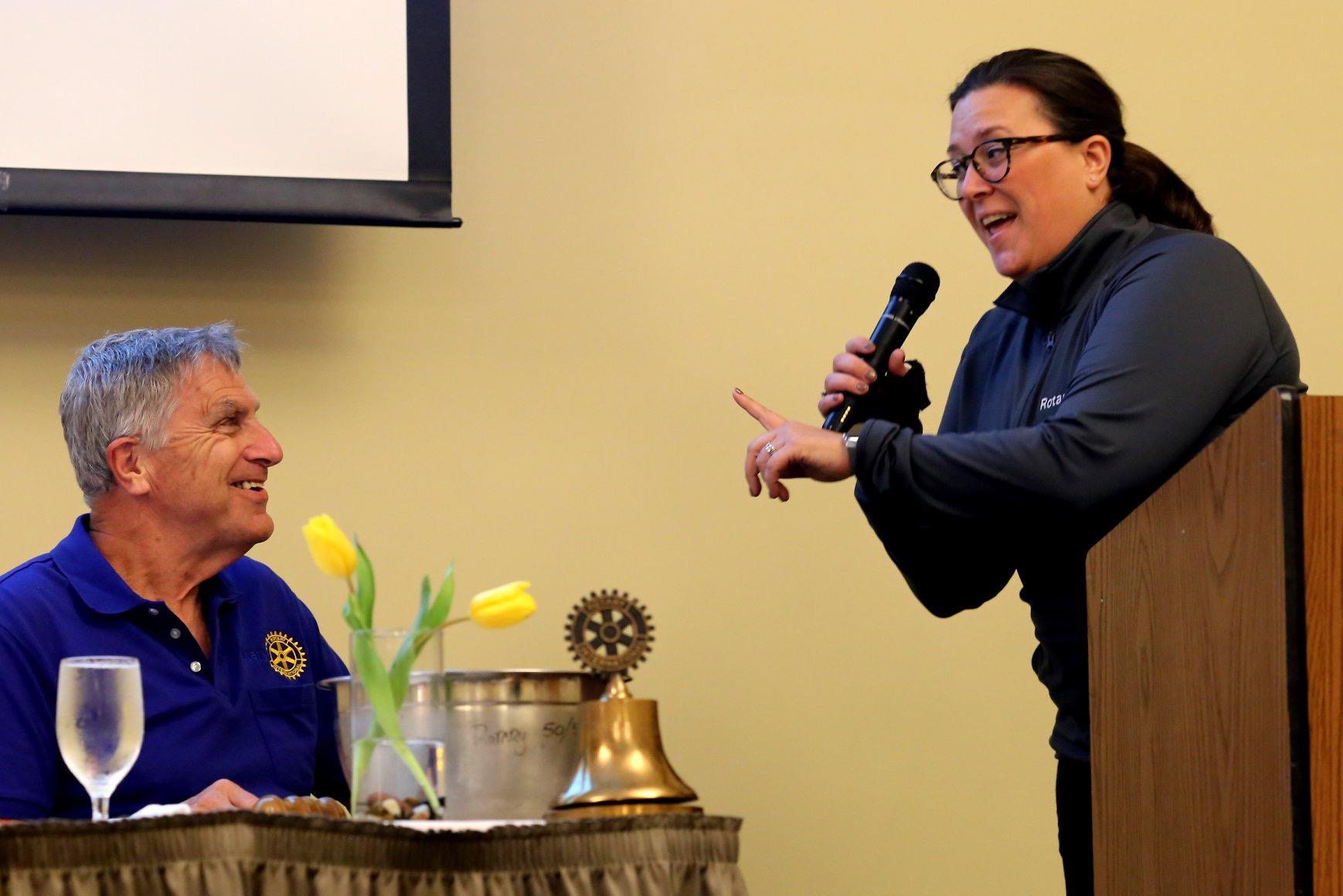
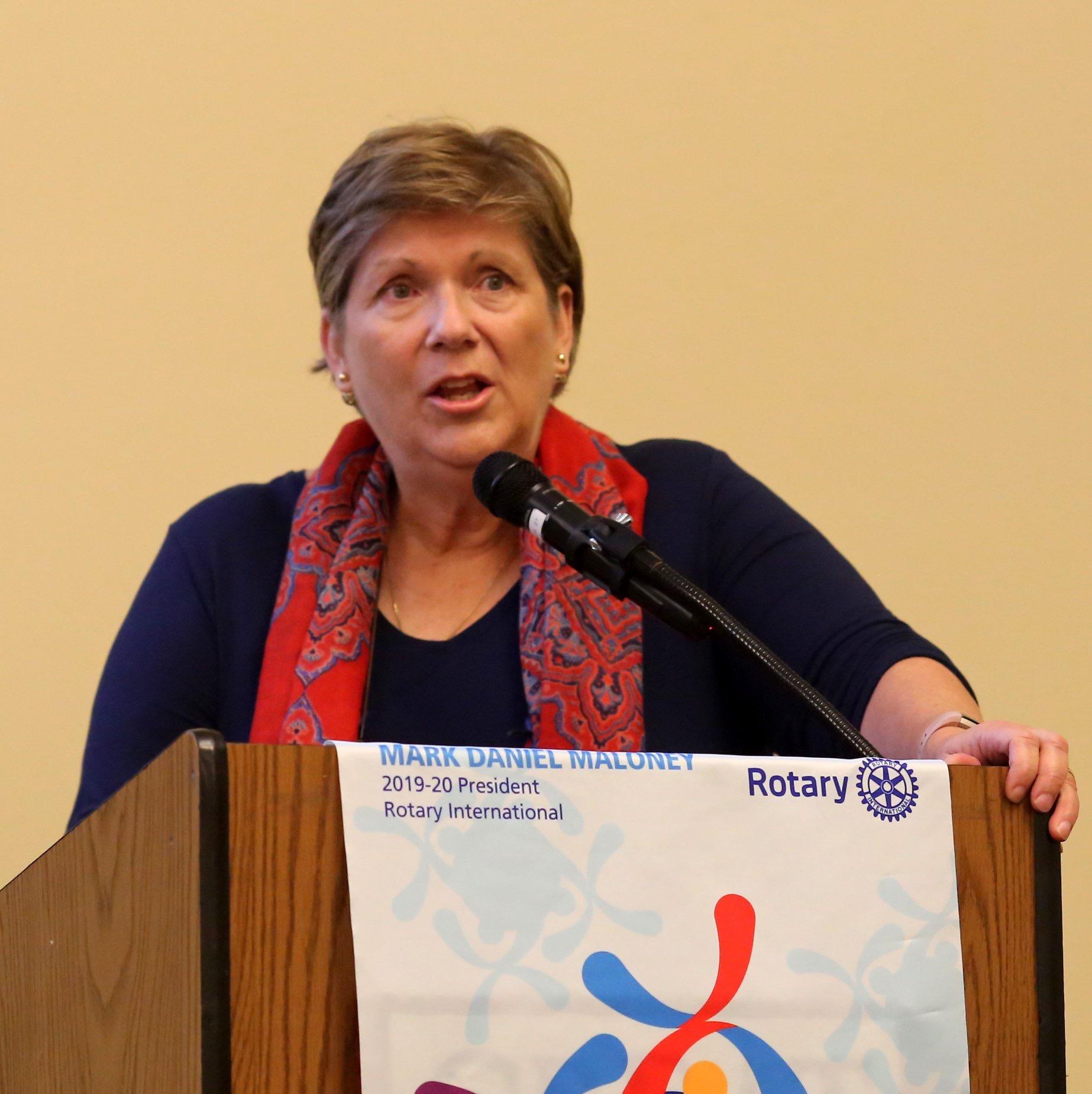
The speaker was Mary Gruman of Birchbark Counseling, introduced by her husband, Lowell "Jep" Gruman. Mary gave an informative presentation about adverse childhood experiences (ACEs) and their impact on both the children involved and society as a whole. ACEs include having someone in the house with mental illness or substance abuse problems, emotional or physical neglect, and emotional, physical or sexual abuse, among other items. Some not-so-fun facts
- ACEs are common and interrelated and are directly correlated with neurological, biological, social and psychological issues later in life
- Almost 2/3 of adults reported at least one ACE. When once ACE occurs, there are usually others
- ACES have been conclusively shown to have a lasting effect on behavior and health as children become adults
- 7 of the 10 leading causes of death correlate with high ACE scores
- A child with a higher ACE score is 32 times more likely to have issues at school
- The lifetime cost of ACEs are estimated at $124 billion in expenses tied to the criminal justice, health, special education and child welfare systems combined with a loss of productivity
So what can you do? Even one positive adult influence on a child can be transformative, Gruman said. Try to be there for the children you interact with in any way.