Steve Wade introduced our own Dr. Ramona Pleva as today’s speaker. Ramona is a native of Cedar. She earned her bachelor’s degree in Health Fitness and Promotion from Central Michigan University in 1993. GO CHIPS! She ran her own massage therapy practice for fourteen years before deciding to embark on the rigorous chiropractic program at Life University. Upon graduation in June 2015, she came back home and established Northern Lights Chiropractic. Ramona is here today to speak on “Alternatives to Opioids”. This is our third and final program on opioids. Ramona said she’s been prepared for this moment for the past three years.
Pain: the Fifth vital sign
In 2001 the Joint Commission introduced standards for the treatment of pain which included the administration of opioids.
In 2016, pain was redefined as a symptom and not a vital sign.
63.4% of people taking opioids for pain relief.
Over half are prescribed opioids for anxiety, depression and other mental health disorders.
People with chronic pain who are also depressed are more likely to become addicted.
How quickly can opioid addiction begin?
Researchers have found that taking opioid medications for more than a few days increases your risk of long-term use, which increases your risk of addiction. The odds you'll still be on opioids a year after starting a short course increase after only five days on opioids.
Other experts state opioid addiction can begin after three days.
Daniel J. Murphy DC, DABCO Life University Opioid Talk Sept. 2017
Addiction is a brain disorder
Structure and function is compromised with addiction disorders.
Your Brain on Pain
When the brain experiences pain, you end up with a closed feedback loop of pain, opioid use, and depression that is centered around dopamine dysfunction in the brain.
Acute vs. Chronic pain
Acute:
Initial onset of injury/trauma
Ice, NSAIDS
Short term recovery
Body is able to recover from acute pain
Chronic:
Pain lasting longer than 4-6 weeks
Chronic low grade Inflammation
Body is not able to recover on its own.
The Body and Brain are striving to recover:
Chronic inflammation resolutions:
Specialized Pro resolving Mediators
Tumeric and Boswellia
Ginger
Proper nutrition
Chiropractic care
Giving the brain healing nutrition
Proper Gut Health! Dopamine and serotonin are made in the gut
Omega 3 Fatty Acids: brain function, symptom withdrawal
Amino Acids: tryptophan to serotonin
Vitamin D: believed to be neuroprotective, helps with mood regulation
Vitamin C: opioid withdrawal symptoms and detoxification
Vitamin B: detox, reduce anxiety, required for methylation processes
Magnesium: deficiency resulting in weakness, insomnia and anxiety
Calcium: younger women who are addicted: early onset of osteoporosis
Lean protein: building blocks for amino acids, needed for brain function
Foods to avoid
Processed foods: liver function is compromised with addiction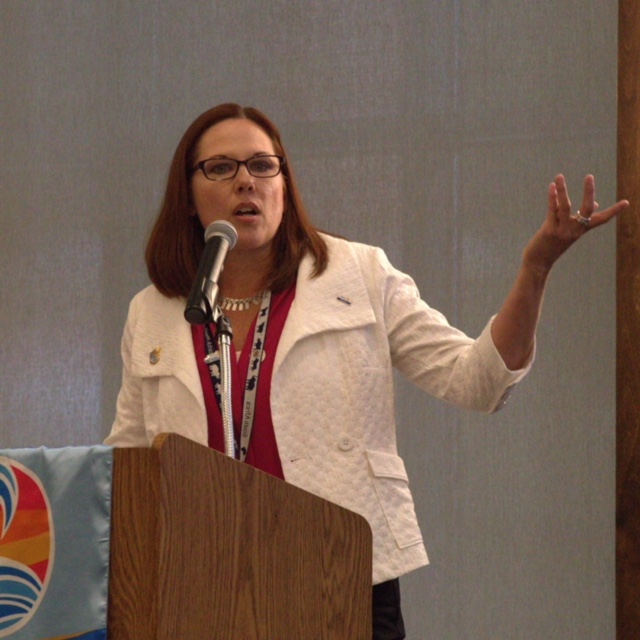
Refined carbohydrates
Sugar in all its forms: adverse affects on reward cascade
Caffeine: exacerbates insomnia and anxiety
Optimizing the brain, what Chiropractic does:
Care at the onset of pain:
85% fewer pharm products
62% fewer outpatient visits
60% fewer hospital admissions
59% fewer days in the hospital
Care after addiction onset
When used in conjunction with other therapies, addictions improve under proven to reduce/eliminate pain and regain function.
Stimulates opioid receptors, releases of dopamine, balances the reward cascade.
Details of a Clinical Trial
RCT with 98 addicts at U of Miami School of Medicine.
Jay Holder, DC provided chiro adjustments 5x/week/30 days
Amino Acid supplements/30 days
Cost:
20 adjustments @ $40 $800
Amino Acids $ 50
Counseling sessions $240-400
TOTAL: $1,100 – $1,240
Cost of traditional treatment per participant/one month
$16,000
Anxiety and Depression rates decreased significantly with chiropractic care and amino acid supplementation.
Why did this study work?
The use of amino acids helped to balance the brain reward cascade chemicals (neurotransmitters) which are chronically deficient in a person with addiction.
Many people with addiction have spinal misalignments which can block this sequence of neurotransmitter release for the brain reward cascade.
Dopamine is the end product of the brain reward cascade.
Chiropractic care enhances the neuroplasticity of the brain and stimulates the limbic system.
The Use of Essential oils
Research studies suggest:
Essential oils may reduce anxiety and depression
Assist with pain management decreasing the need for medications.
Reduce cravings and decrease heart rate
Additional therapies to consider
Low-level light therapy (laser therapy)
Exercise
Massage therapy
Acupuncture
Yoga
Spiritual practice
Medical Cannabis (?)– because you know someone is going to ask about that!!
Healing is a process
and requires a multifaceted approach
and requires a multifaceted approach